Case Study: Distributed Warehouse Inventory Tracking with 3G Sport


Companies operating in specialised environments depend on accurate stock control, coordinated logistics, and contract-level traceability. When inventory, warehouse movements, and project allocation are not structurally connected, operational visibility weakens and decision-making becomes reactive.
For organisations managing distributed warehouses and multiple installation projects, the challenge is not only tracking stock. It is structuring inventory data in a way that supports forecasting, accountability, and real-time operational control.
Case Study: 3G Sport
3G Sport, a leading full-service swimming pool design, installation, and maintenance company operating in Eastern Europe, required greater control over inventory flows and logistics coordination across its operations. As project volume increased, the business needed a system capable of linking warehouse activity, client allocation, and commercial planning within a unified structure.
Myneral Labs implemented a technology framework that introduced real-time stock visibility and structured traceability across the organisation. Inventory movements are now recorded at the unit level, allowing products to be associated directly with specific clients and contracts. This reduced ambiguity in warehouse operations and strengthened accountability across departments.
The introduction of a structured stock management module transformed how replenishment decisions are made. Instead of relying on static reports or manual checks, commercial teams can now base restocking decisions on consistent operational data. This shift supports more accurate forecasting of demand, quantities, and timing.
At the logistics level, real-time visibility significantly improved operational responsiveness. Warehouse teams can verify stock positions instantly and monitor outgoing deliveries with clarity. The ability to associate items to individual contracts also improved project-level control, ensuring that materials allocated to one installation are traceable throughout the execution phase.
From a systems perspective, integration was designed to minimise technical friction. The solution connected with existing infrastructure while reducing internal maintenance burden. Ongoing support and device management further ensured operational continuity without increasing IT overhead
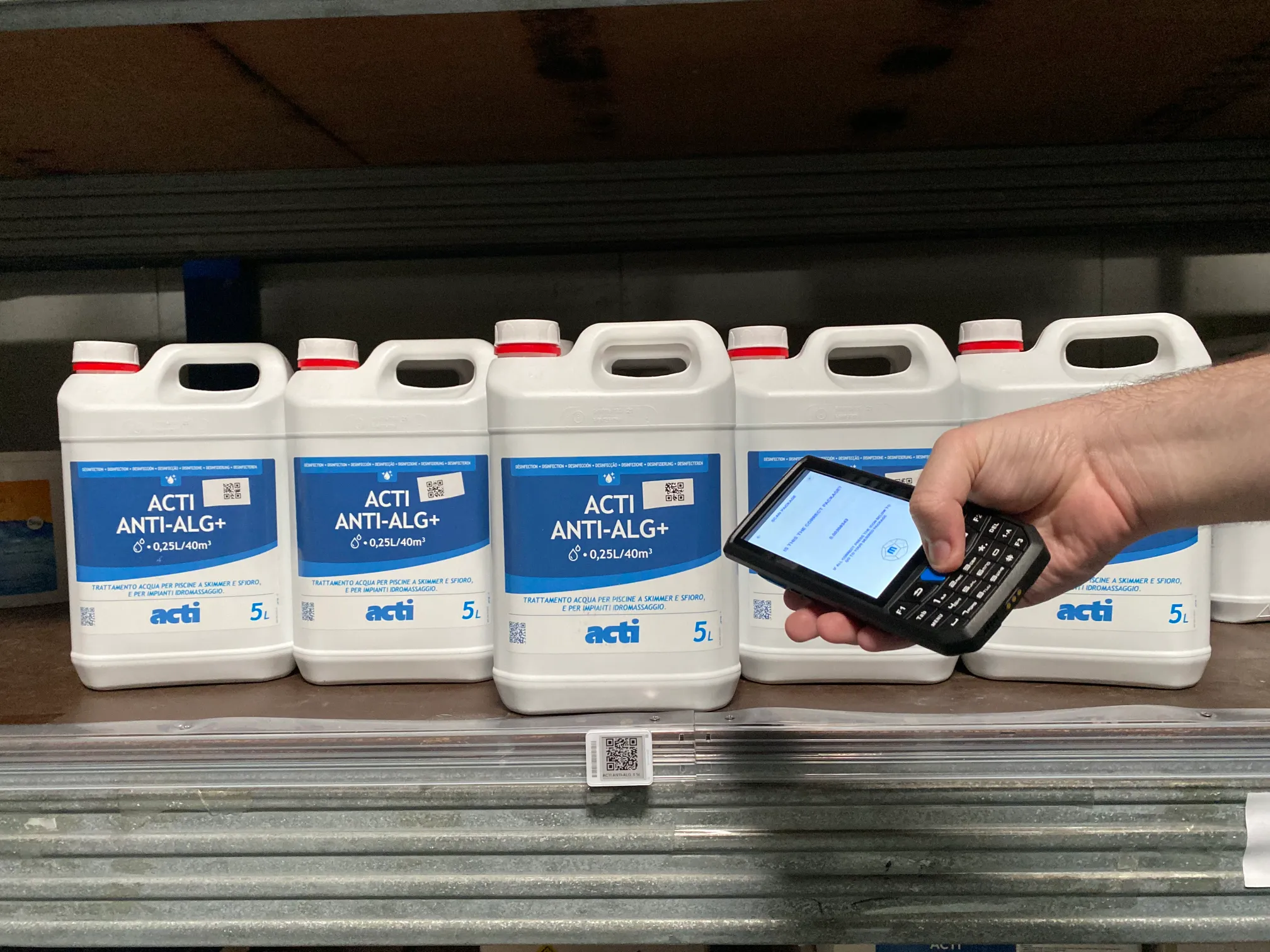
Technology Architecture for Inventory and Contract-Level Traceability
In project-based operational environments, traceability must begin at the inventory unit level. Each product or component requires a persistent digital record linked to its warehouse location, movement history, and contract assignment.
By combining structured identification, real-time event capture, and centralised oversight, the system creates a continuously updated operational view. Warehouse activity, client allocation, and replenishment needs become part of a unified data structure rather than isolated processes.
Because the architecture is modular, it supports alignment across commercial planning, logistics execution, warehouse management, and IT governance. This reduces data fragmentation and allows operational data to support strategic decision-making rather than simple record-keeping.
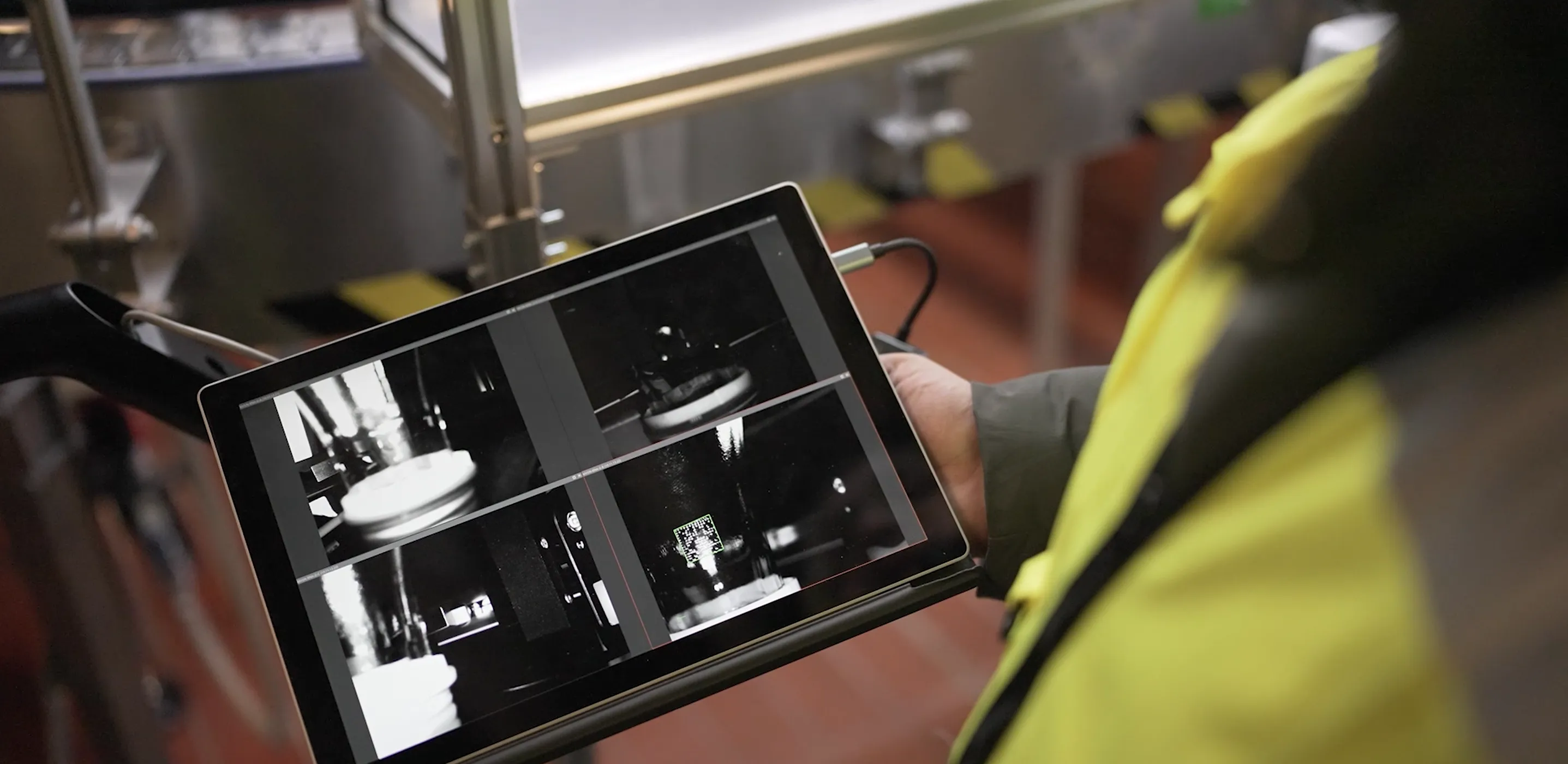
Traceability in Project-Based Industrial Operations
As infrastructure and installation companies scale, operational complexity increases. Static inventory tools are insufficient for environments where materials move frequently across warehouses and client sites.
The 3G Sport case demonstrates how structured traceability strengthens operational control. Real-time stock visibility, contract-level allocation, and integrated reporting convert inventory data into a management asset. The result is improved forecasting accuracy, stronger logistics coordination, and greater resilience across project execution.