Case Study: Unit-level traceability in packaging operations and real-time verification of every individual item with Coca Cola


Unit-level traceability in packaging operations is moving from batch-based records to real-time verification of every individual item, driven by regulatory pressure, ESG accountability, and the operational need to eliminate serialization gaps at high-speed assembly. In modern manufacturing, true traceability means linking each physical unit to a verifiable digital record across plants, systems, and compliance frameworks.
Packaging environments are defined by speed, scale, and precision. When traceability fails at the unit level, the consequences extend beyond compliance into recall exposure, recycling inefficiencies, and loss of operational visibility.
Case Study: Coca-Cola Europacific Partners
Coca-Cola Europacific Partners implemented a multi-plant unit-level traceability solution across its European bottling operations to address serialization gaps, regulatory compliance requirements, ESG reporting obligations, and bottle recycling monitoring. Traditional batch-based solutions provided visibility at lot or pallet level but did not maintain a persistent identity for each individual bottle, creating blind spots in recall precision and sustainability tracking. As production volumes scaled across facilities, this structural limitation reduced the reliability of traceability data and increased dependence on inferred rather than verified product associations.
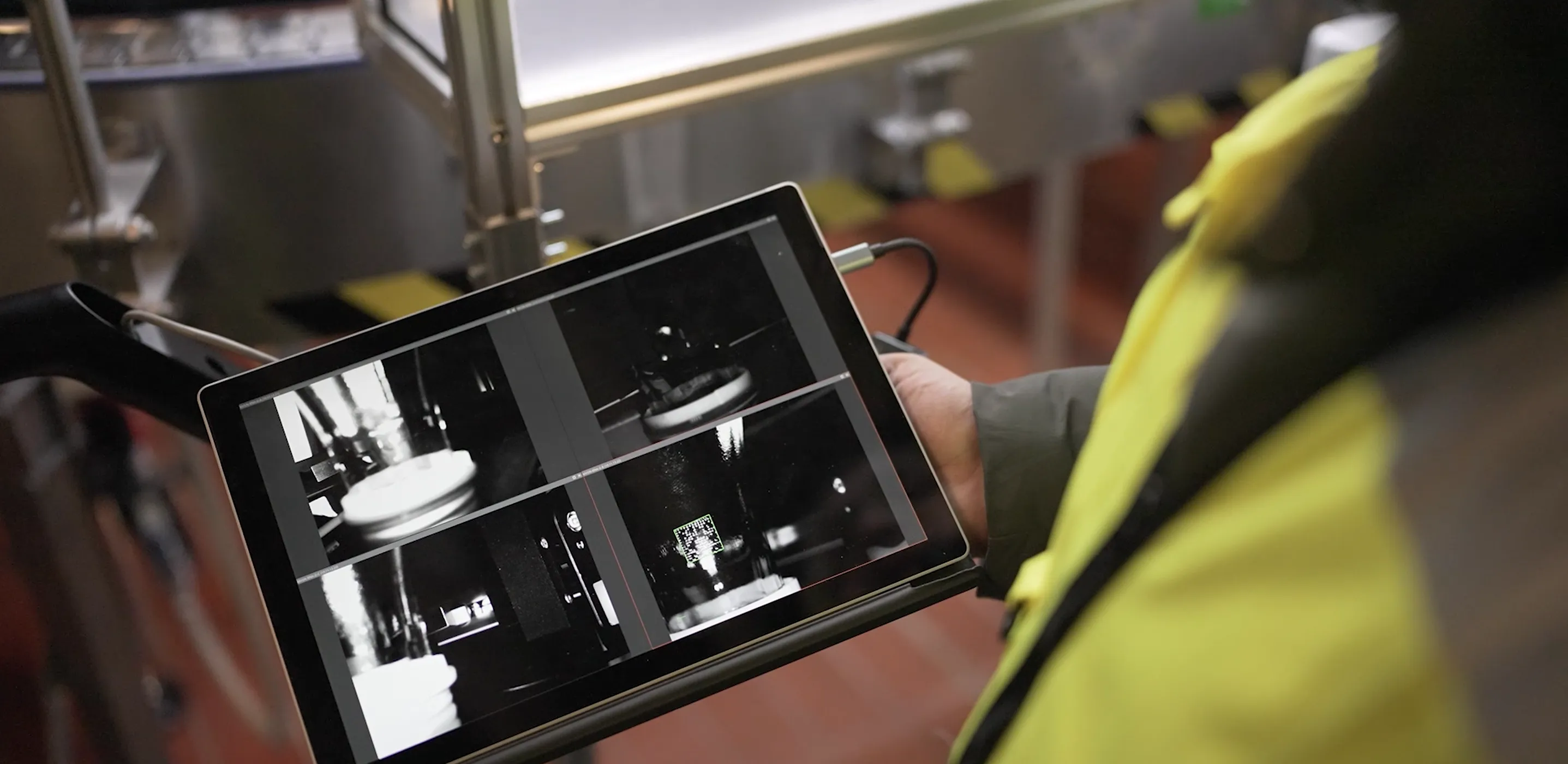
Myneral Labs deployed MynVision directly on bottling lines to capture and verify unit-level identifiers in real time, ensuring that each bottle generated a validated digital record at the point of production. This hardware layer was integrated with Myneral Trace, creating an end-to-end architecture that anchored each bottle’s identity within a blockchain-backed control environment. The combined solution enabled CCEP to track and trace individual bottles across multiple supply chain nodes, strengthening their brand positioning, regulatory reporting, and recycling accountability through a unified and auditable traceability framework.
Technology Architecture for Unit-Level Traceability in Packaging
In high-speed packaging operations, the core traceability challenge lies in synchronizing physical throughput with reliable digital registration. Our MynVision solution addresses this gap by embedding unit-level data capture directly into the production line, verifying each item’s identifier as it moves through packaging stages. This ensures that serialization integrity is preserved without interrupting line performance or creating bottlenecks in production.
Captured data is transmitted to our control tower, Myneral Trace, where each unit-level event is securely recorded in a blockchain-backed environment. This architecture creates an immutable, time-stamped record that links individual bottles to production events, facility location, and relevant compliance or sustainability attributes. By connecting the physical production layer with a secure digital backbone, the system transforms fragmented line data into a structured and accessible traceability record that can operate consistently across multiple plants.
The modular design allows large packaging operators to scale traceability standards across facilities without redesigning existing manufacturing execution systems. As a result, traceability becomes embedded within core operations rather than layered onto them as a separate compliance process.
Traceability in Packaging Operations
Packaging operations are facing increasing regulatory scrutiny related to product safety, sustainability disclosures, and extended producer responsibility. Emerging frameworks such as digital product passports and stricter ESG reporting standards are reinforcing the need for granular, verifiable product-level data rather than aggregated batch documentation. This shift is redefining what constitutes adequate traceability within the industry.
At the same time, recall precision, recycling accountability, and cross-border compliance requirements are raising the operational cost of incomplete traceability. As packaging lines become more automated and distributed, the inability to associate individual units with secure digital records creates systemic risk. The industry is therefore moving toward integrated hardware and software architectures that embed unit-level traceability directly into production environments, positioning it as a foundational capability for modern packaging operations rather than a reactive compliance measure.