Digital Product Passport for Market Advantage

What we do
A Digital Product Passport should not be a document. It should be living infrastructure that connects data, compliance and brand transparency for effective campaigns.
How do we do it
Digital Product Passports, Built on Data
We build Digital Product Passports on real operational data, connecting material origin, supplier information and product-level traceability into one structured and secure digital layer. Data is captured at source, validated and standardised across systems, ensuring each passport delivers verified lifecycle information for compliance, transparency and market differentiation.
Verifiable Product Data
Ensure product information is captured at source, validated and structured into a reliable, auditable record. Materials, suppliers and compliance data remain consistent across systems, enabling each Digital Product Passport to deliver trusted information for traceability and regulatory disclosure.
Lifecycle Compliance Data
Structure and maintain product lifecycle information so it meets regulatory disclosure requirements. Materials, environmental impact and compliance documentation are organised into a consistent dataset that supports traceability, transparency and the information obligations of Digital Product Passports.
Our Advantage

We help companies turn every product into a marketing channel

We work with any identity mark
Be it a QR code, a CETIE Data Matrix or any other 2D code, we can convert it into a single unit identifier that you can track from origin to shelf. Connecting with your consumer with localized marketing and timed promotions directly to each individual batch of products.
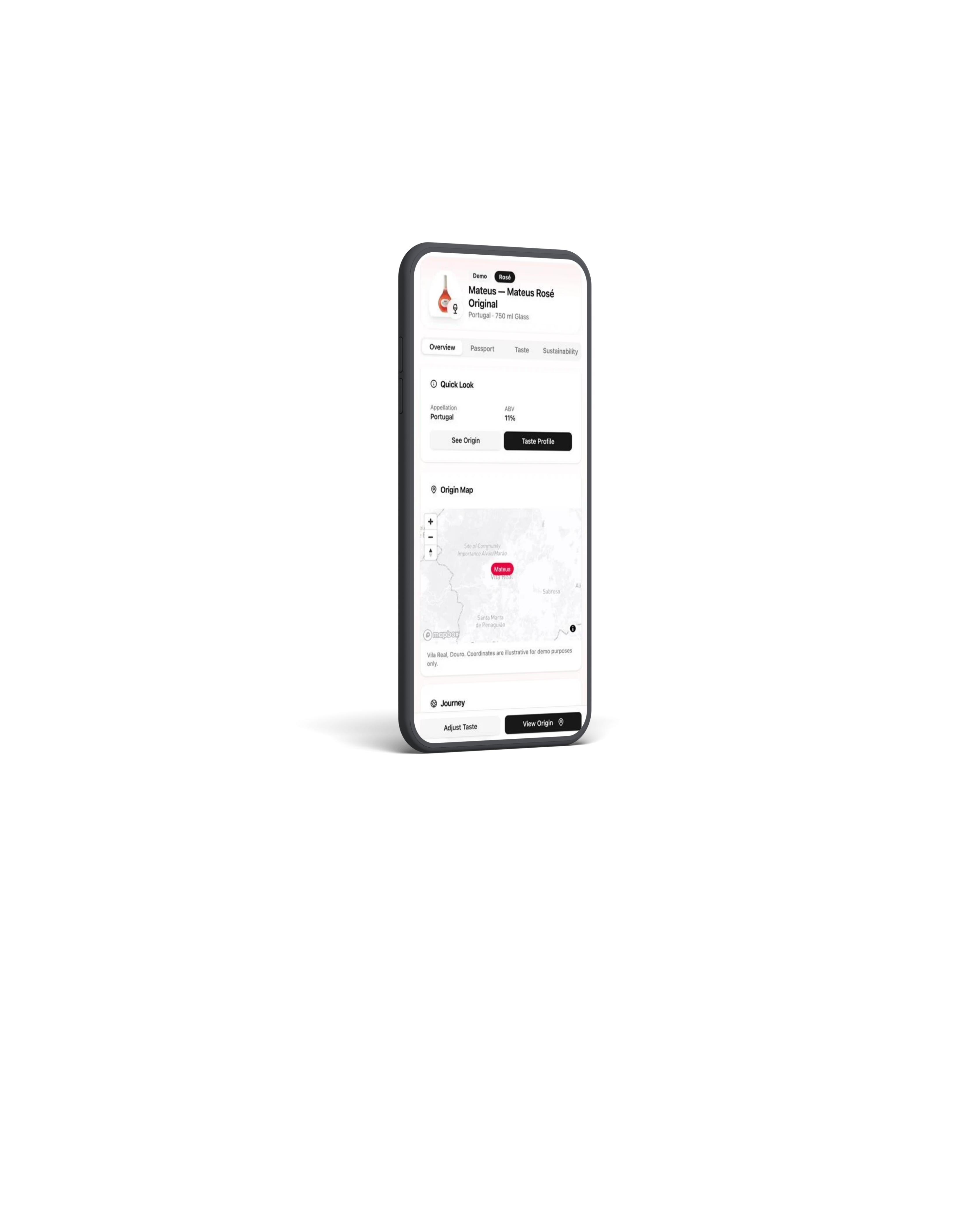
Digital Product Passport
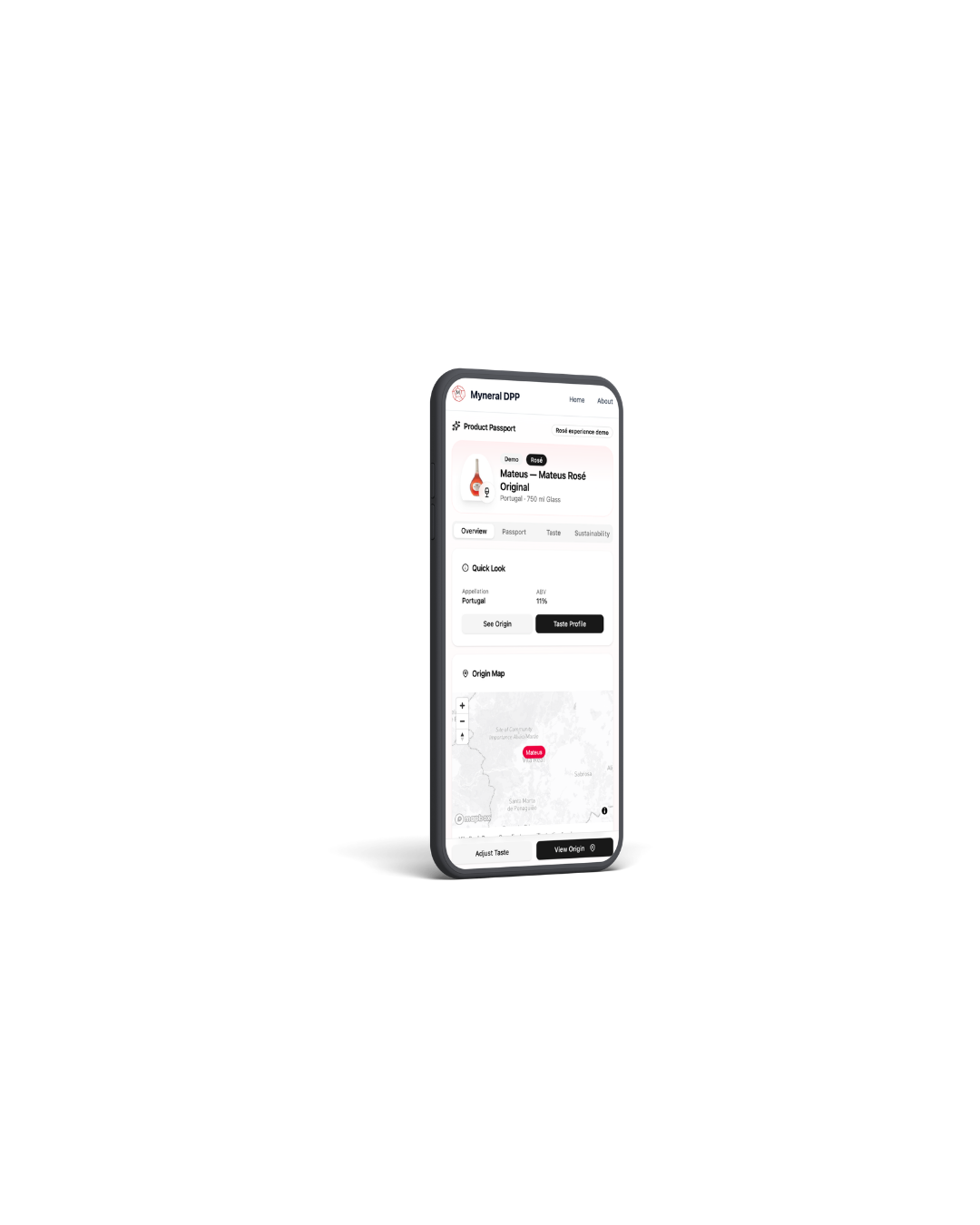
From simple passports designed for regulatory compliance, to detailed storytelling platforms that communicate product origin, sustainability data and lifecycle information, our Digital Product Passports can be adapted to support both operational requirements and customer-facing transparency.
Regulatory Compliance
Our platform helps organisations prepare for the regulatory requirements by connecting operational data, supplier information and product identities into a verifiable digital record. Allowing you to document material provenance, track production processes, and share compliant product information.
Insights

Research, Regulations and Insights

View all insights
FAQ
Frequently asked questions
When will DPP be mandatory?

The Digital Product Passport (DPP) is part of the EU Ecodesign for Sustainable Products Regulation (ESPR). The regulation entered into force in 2024, but the concrete requirements will be introduced progressively by product category.
The first delegated acts defining which products must implement a DPP are expected around late 2026. For many industries, implementation will likely start between 2027 and 2030 depending on the product group. Companies should therefore begin preparing now.
Building the data infrastructure, supplier transparency and traceability systems required for a DPP typically takes time.

What do I need to do to be ready for DPP?

Preparing for the Digital Product Passport usually involves four key steps:
Map your product and supply chain data
Identify what information already exists across ERP, manufacturing, supplier and logistics systems.
Structure traceability at product or batch level
Ensure materials, components and finished products can be traced through the production and distribution process.
Connect physical products to digital records
Products must carry a machine-readable identifier such as a QR code, Data Matrix, or similar technology.
Create a system to manage and share the data
The passport must be accessible to regulators, customers and other stakeholders in a structured and verifiable way.
Starting early allows organisations to build this infrastructure gradually rather than reacting when the regulation comes into full effect.

Can I have a digital passport for any product?

Yes. A Digital Product Passport can be created for almost any physical product.
While regulation will initially apply to specific product categories such as batteries, textiles, electronics and construction materials, the concept itself is universal. Many companies are already implementing product passports voluntarily to support sustainability claims, improve supply chain transparency, or provide richer product information to customers.

Can bulk goods have a passport for certifications?

Yes. Digital passports can also be applied to bulk goods and raw materials.
In these cases, the passport is typically linked to batches, shipments, or production lots rather than individual units. For example, Myneral participated in a project with industrial partners including ABB and Boliden to support traceability and product passport concepts for copper alloys production. In these environments, passports help connect material origin, certifications, and processing data across the value chain.

How does Myneral does it?

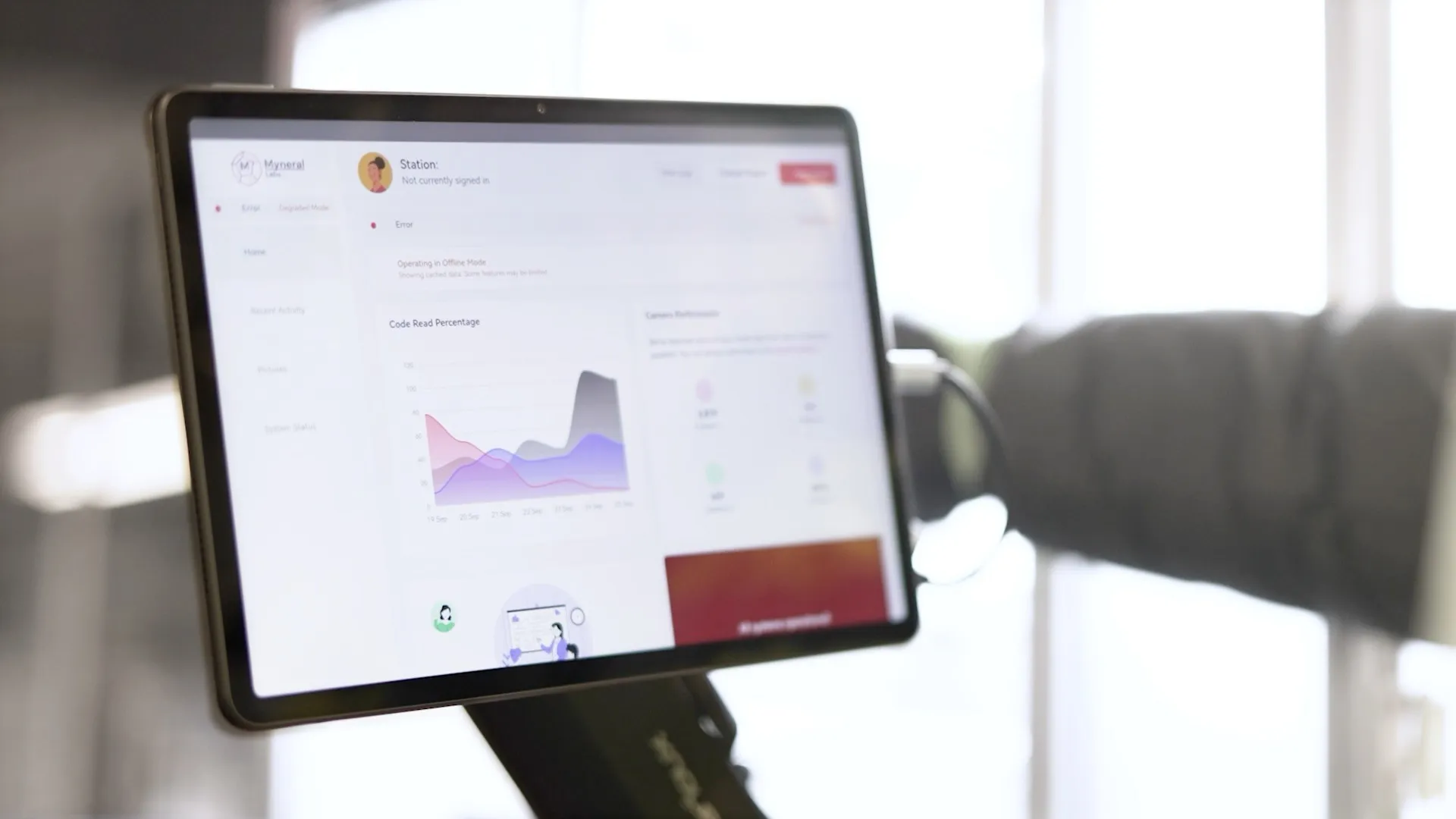
Myneral connects physical products, industrial operations and enterprise systems into a structured traceability infrastructure.
Our platform integrates with existing systems such as ERP, supplier databases and production equipment, and links this information to machine-readable identifiers attached to products.

This allows companies to:
Collect product and material data across the supply chain
Create structured digital records for each product or batch
Generate auditable traceability trails
Share passport information through secure digital interfaces

The result is a Digital Product Passport that can support regulatory compliance, sustainability reporting and product transparency, as well as an innovative customer facing marketing channel, that can be tracked to the individual user region.

Do you have any examples of a DPP?

Yes. We provide several interactive examples that demonstrate how a Digital Product Passport can work in practice.
These examples show how product information, sustainability data, certifications and supply chain traceability can be presented to different stakeholders.
You can explore them on our DPP demos page, where we showcase real scenarios across different industries at http://dpp.myneral.com